In this blog, I will explore how brushed and brushless RC motors really work. People make a bigger deal out of brushed and brushless motors than they really need to. The way people talk about it online, you’d think you need an electrical engineering degree just to understand what’s going on inside these things. But honestly, once you’ve used a few devices that have them, especially if you’re into RC stuff or you mess around with tools or drones, the difference becomes pretty clear. And it’s not some magical technology—just two different ways of making a motor spin, and each comes with its own habits and problems.
Rc Motors
A brushed motor is basically the “default” motor that’s been around forever. If you open up a cheap toy car or one of those little battery fans, that’s what you’ll see. They’ve got these carbon bits inside that literally press against the spinning part.
Every time the motor turns, those pieces are kind of making contact and passing electricity through. It’s simple, and honestly, it works pretty well considering how old the design is. But because there’s actual physical contact happening the whole time, the parts eventually start wearing out. I’ve had brushed motors where you can literally shake it and hear dust coming out from the worn brushes.
Sometimes they start sparking more, or you’ll smell that kind of burnt-electronics odor after running it too long. When you use them in something like an RC car, especially the inexpensive ones, you’ll notice a pattern: they run fine for a bit, then they heat up, then the power drops, and eventually they just feel tired.
And unless you replace the brushes or clean them (which 99% of people don’t do), the motor eventually dies. But because they’re cheap, you just toss them and put in another one.
That’s pretty much why companies keep using them in low-cost stuff. It’s not that brushed motors are “bad,” it’s more like they’re good enough for things that aren’t meant to last forever.
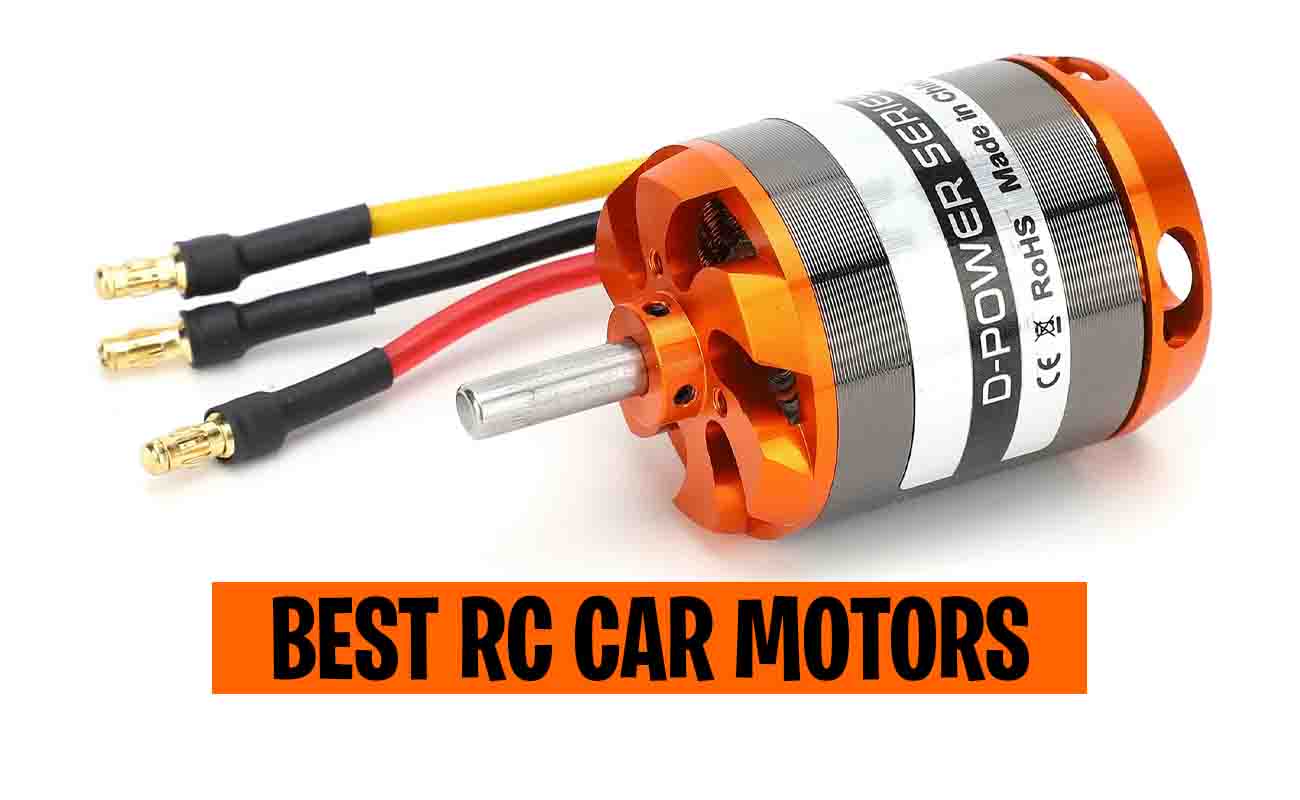
Brushless motors came around much later and kind of changed everything, especially in hobbies where people care about performance. Since there’s no constant rubbing inside, they don’t have that slow downhill decline that brushed motors have. They’re controlled electronically, and because of that, the motor runs smoother and stays cooler.
When you first try a brushless motor in something like a drone or drill, it honestly feels strange if you’re used to brushed ones. The power doesn’t fade, it doesn’t get hot immediately, and the whole thing just feels more solid and responsive. Even the sound is different—more like a clean whir rather than that harsh buzzing
sound.
The first time I used abrushless drill, I remember thinking it felt almost “too easy,” like it wasn’t struggling at all. You push down harder, and instead of slowing down and making that strained noise like brushed motors do, the brushless one just keeps going. Same with drones: brushed motors feel lively at first, but after a few minutes of flying, they feel sluggish and warm.
Brushless motors fly like they’re fresh the whole time. Of course, there’s a catch. Brushless motors cost more. Not just the Rc motor but also the electronic controller you need to run them. And because everything is controlled electronically, if something goes wrong inside, it’s usually not something you can fix with basic tools.
Brushed motors can be cleaned, repaired, or even modified by people who like tinkering. Brushless setups are more like: either it works or it doesn’t, and if it doesn’t, you replace it. So in cheaper products where price matters more than performance, manufacturers just stick with brushed motors because it keeps the cost down.
But from a long-term user perspective, brushless motors are on another level. They hold their speed better, don’t lose energy as heat so quickly, and basically require no maintenance. I’ve used some for years without doing anything to them. Meanwhile, I’ve gone through multiple brushed motors in the same amount of time. It’s just how they’re built—one design slowly eats itself from the inside, and the other doesn’t.
Another thing you notice when you’ve used both for a while is the difference in how they respond under load. Brushed motors tend to bog down easily. You’ll hear the tone drop when something resists them. Brushless motors just fight back harder, like they’ve got more control.
And that’s because they do—the electronics inside constantly adjust to keep the motor spinning the right way, so it handles sudden resistance much better.
Battery life is also better with brushless. This isn’t some marketing thing; it’s just how efficiency works. A brushed motor wastes more energy as heat because of the friction inside, so your battery drains faster.
Brushless uses energy more directly, so on the same battery you get longer run time. That’s one reason drones almost always use brushless motors now. If they used brushed ones, the flight times would be terrible.
But again, it all depends on what you need. If you’re getting something cheap or something that’s basically disposable, a brushed motor is fine. For small toys or stuff where nobody cares about long-term performance, brushed is honestly the sensible option. But if you’re into hobbies where performance matters, or you want something that feels stronger, lasts longer, and doesn’t constantly need new parts, brushless is better in pretty much every way.
So when people ask “Which one should I get?” it really just comes down to what you expect from it and how much you want to spend. If you want raw performance and reliability, brushless. If you want something cheap and simple and you don’t mind replacing it eventually, brushed. And that’s really all there is to the whole topic once you strip away the complicated explanations people like giving.