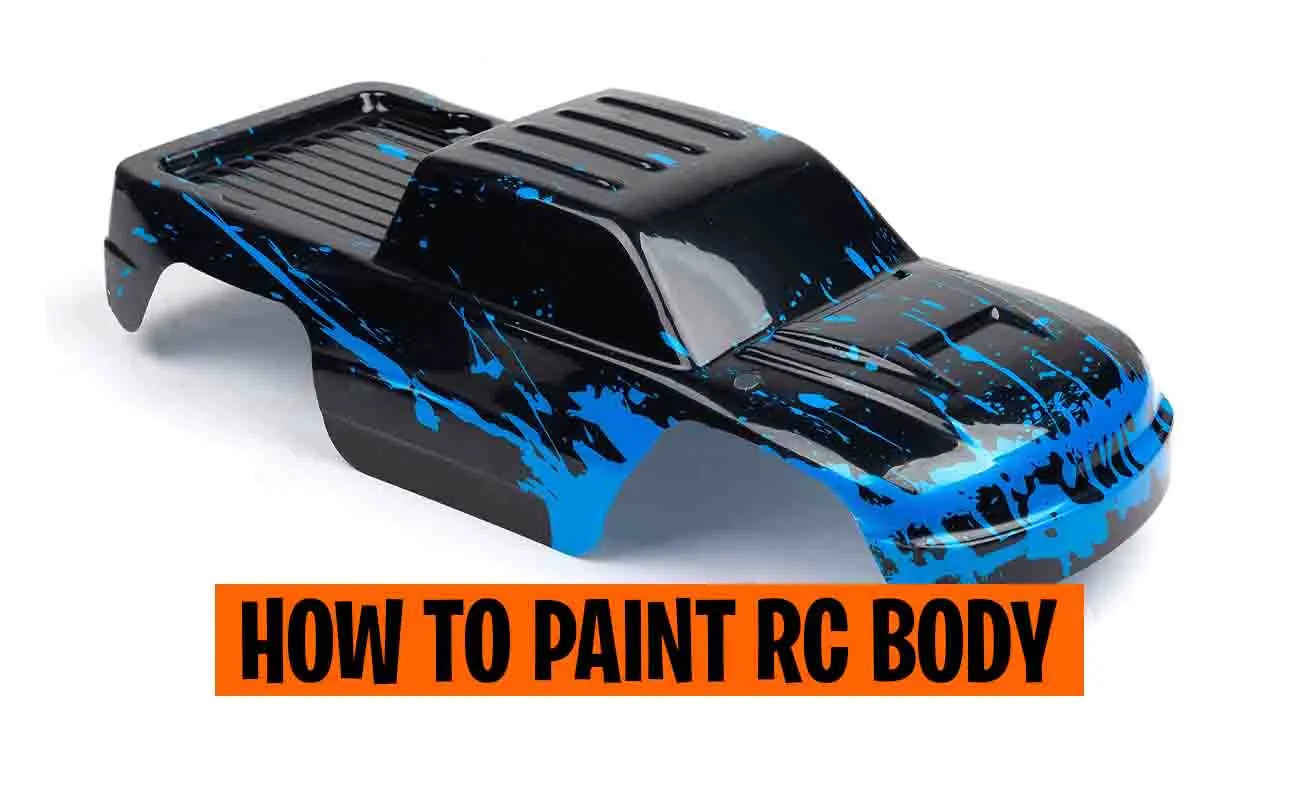
One of the moments I realized painting and detailing RC cars were more than just toys for me was when I stopped caring about how fast they were and started caring about how they looked. Stock bodies are fine, don’t get me wrong, but once you know how to paint rc body, it’s hard to go back. Custom painting and detailing give your car personality. It turns something mass-produced into
something that feels truly yours.
rc body paint
When I first thought about painting an RC body, I was honestly nervous. The idea of messing up
a brand-new shell with bad paint or crooked lines was intimidating. But once I tried it, I realized
it’s not about perfection — it’s about creativity and learning as you go.
How to paint RC body
The first thing to understand is the type of body you’re working with. Most RC car bodies are
made from polycarbonate (Lexan), which means you paint them from the inside, not the outside.
This threw me off at first, but it actually makes sense. Painting from the inside protects the finish
from scratches and rollovers, which is perfect for RC use. Just make sure you’re using paint
designed specifically for polycarbonate bodies — regular spray paint won’t stick properly and
will crack or peel.
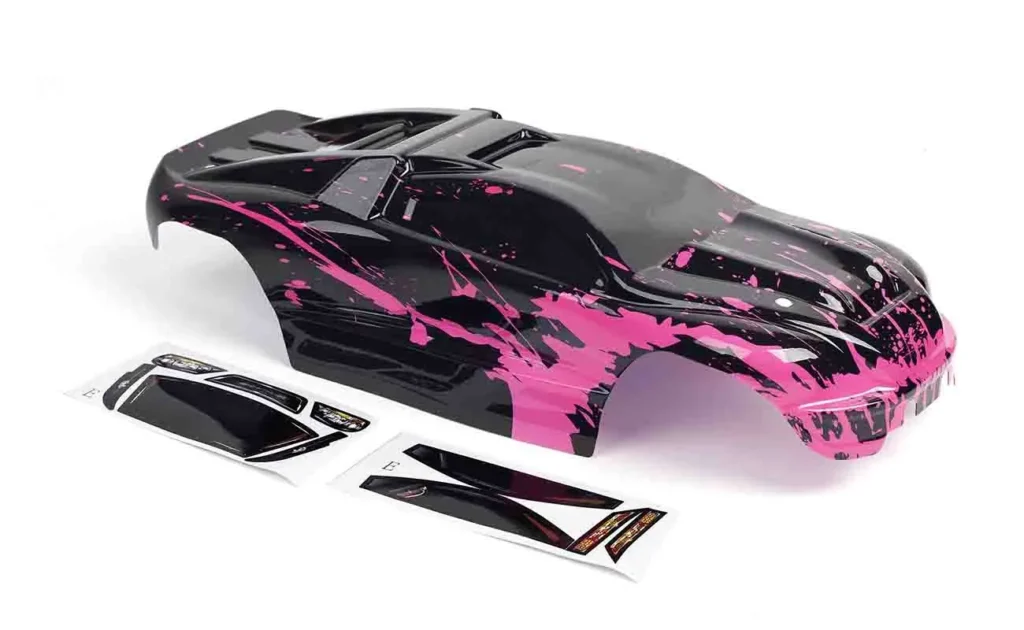
Preparation is where the real work happens. Before you even think about paint, wash the body
thoroughly with warm water and mild soap to remove mold release oils and fingerprints. I’ve
skipped this step before, and trust me, the paint will let you know — it won’t stick evenly. After
washing, dry it completely and leave the protective outer film on. That film is a lifesaver and
keeps the outside clean until you’re done.
When it comes to designing your paint job, I like to plan ahead but stay flexible. Masking tape is
your best friend here. Whether you’re doing racing stripes, two-tone colors, or complex patterns,
clean masking makes all the difference. I usually start with lighter colors first and work my way
to darker ones. Thin, even coats are key — rushing with thick layers almost always leads to runs
or uneven coverage.
Once the main paint is done, detailing takes the body to another level. Window trims, grills,
vents, and headlights might seem small, but they completely change the look of the car. I often
use paint pens or fine brushes for these details. Decals also play a big role. Stock decals are fine,
but mixing in custom decals or subtle accents makes the body stand out without looking
overdone.
One of my favorite parts is weathering and realism. Not every RC car has to look showroom
new. Adding light dirt effects, scuffs, or faded paint can make a trail truck or crawler look
incredibly realistic. It’s a bit of an art, and I’m still learning, but experimenting is half the fun.
The biggest lesson I’ve learned is to take your time and enjoy the process. Custom painting isn’t
about getting it perfect on the first try. Every body I’ve painted taught me something new — how
paint reacts, how masking can go wrong, or how a small detail can completely transform the
final look. Even the “mistakes” usually add character.
my experience
In my experience, custom painting and detailing are what truly push RC cars beyond stock. It’s
not just about performance upgrades or speed anymore — it’s about expression. When you put a
freshly painted body on your car and take it out for its first run, there’s a special kind of pride
that comes with it. You’re not just driving an RC car; you’re driving something you created.
At the end of the day, whether you’re going for a clean race look, a wild drift style, or a realistic
scale build, custom painting opens up a whole new side of the RC hobby. And once you paint
your first body, chances are you’ll never look at a stock shell the same way again.