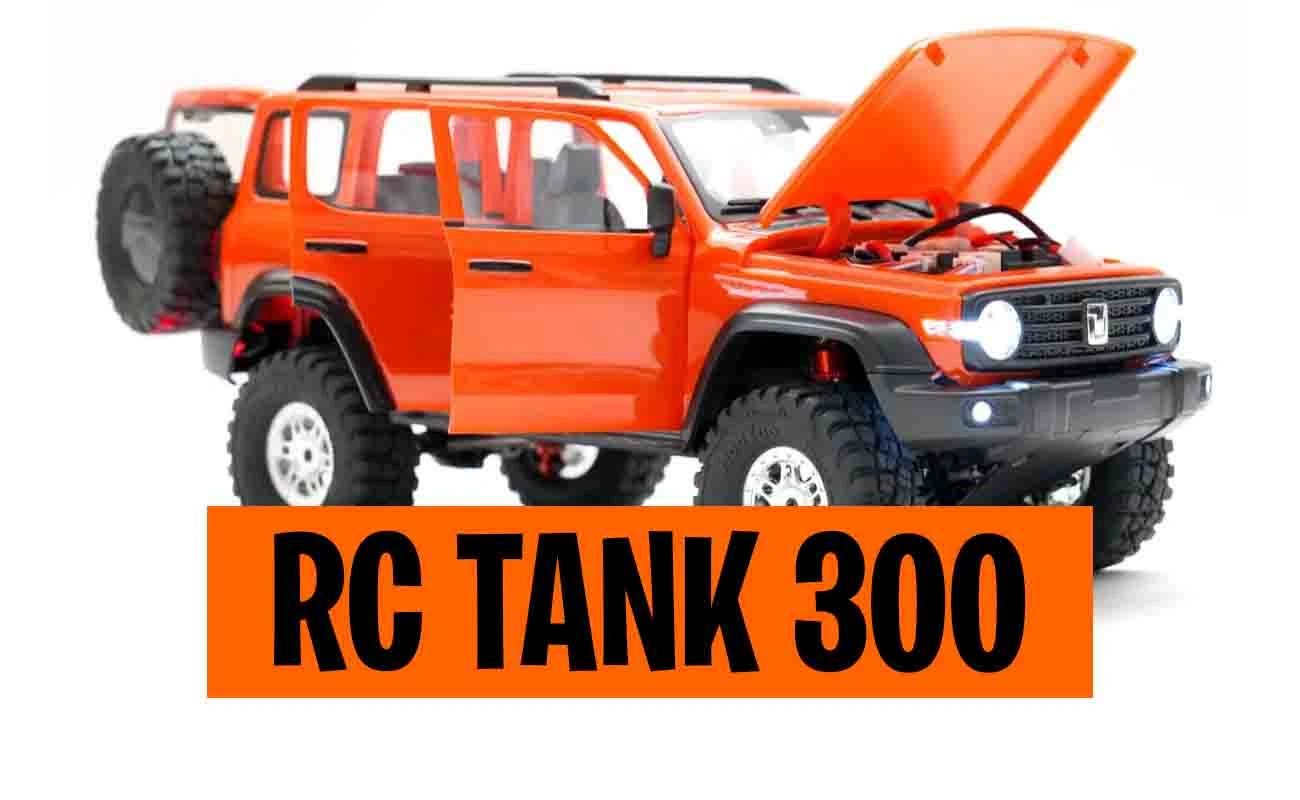
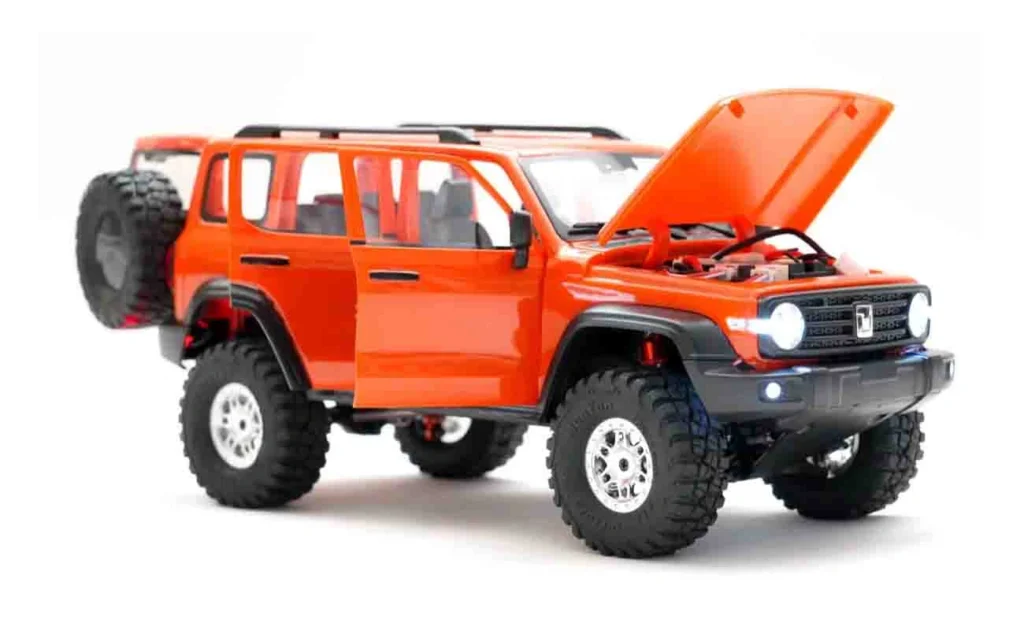
The RC Tank 300 wasn’t my first RC. Not even close. I’d already owned a few by the time I bought it — enough to know how RCs usually feel, how they usually behave, and what I normally expect when I take one out for a run. That’s probably why the Tank 300 stood out the way it did. I paid around $800 for it, which was already more than I’d ever spent on an RC at that point.
That alone put it in a different category in my head. I didn’t open the box with excitement so much as caution. This wasn’t something I wanted to bounce off a curb five minutes in. From the first drive, it felt different from the RCs I already owned. Not faster. Not flashier. Just… calmer. Where my other trucks would twitch, bounce, or overreact, the RC Tank 300 didn’t seem in a hurry to do anything. Steering felt measured. The throttle didn’t feel jumpy. It moved like it had mass instead of just speed.
RC Tank 300
I remember running it on the same dirt area I’d driven other RCs on dozens of times. Normally,
that surface would expose weaknesses pretty quickly — chatter over small bumps, wheels unloading, the truck constantly correcting itself. The Tank didn’t do that. It wasn’t perfect, but it wasn’t fighting the ground either. That was new for me.
The more time I spent with it, the more I noticed small things. How it settled after a bump instead of bouncing again. How it held a line on uneven ground without me constantly correcting steering. How I could slow down and actually enjoy driving it instead of reacting to it. None of my earlier RCs made me drive that way.
I still made mistakes with it. I stripped a screw messing around where I shouldn’t have. I ran a battery I probably shouldn’t have used. I learned pretty quickly that weight, suspension, and setup mattered more than I’d realized before. But instead of frustration, the Tank 300 made me curious. I wanted to understand why it felt better than what I already had.
That’s when it clicked that this wasn’t my first RC — it was my first good one. The first one that didn’t rely on novelty or speed to stay interesting. The first one that made me notice driving feel instead of just movement.
Every RC Car I bought after that got compared to it, even if I didn’t mean to. How stable is it? Does it rush? Does it surprise me when it shouldn’t? Most of them did. Some still do.
Final Thoughts
The RC Tank 300 of Traction Hobby is a vehicle that succeeds in gaining its credibility due to both its striking scale features and its reliable off road capabilities. Its realistic body design, stable chassis and smooth suspension make it feel well considered as far as trail driving and light crawling are concerned. It handles well on the dirt, rocks and rough roads so it would be a good choice with hobbyists who like realistic driving but not just speed.
The most significant thing about the Tank 300 is that it is easy to live with. Ease in obtaining parts and upgrade alternatives, as well as the ease of maintenance, make it easy to use by beginners, yet provide enough potential to the more advanced builders. The Traction Hobby Tank 300 is an excellent choice in off road vehicles with long time performance and good overall performance.
That’s why the RC Tank 300 matters to me. Not because it introduced me to the RC hobby, but because it raised the bar. It showed me what a properly built RC can feel like when it isn’t cutting corners.
Once you experience that, it’s hard to un-feel it.