I’ve been into RC cars for years, and one of the most exciting things I’ve picked up along the
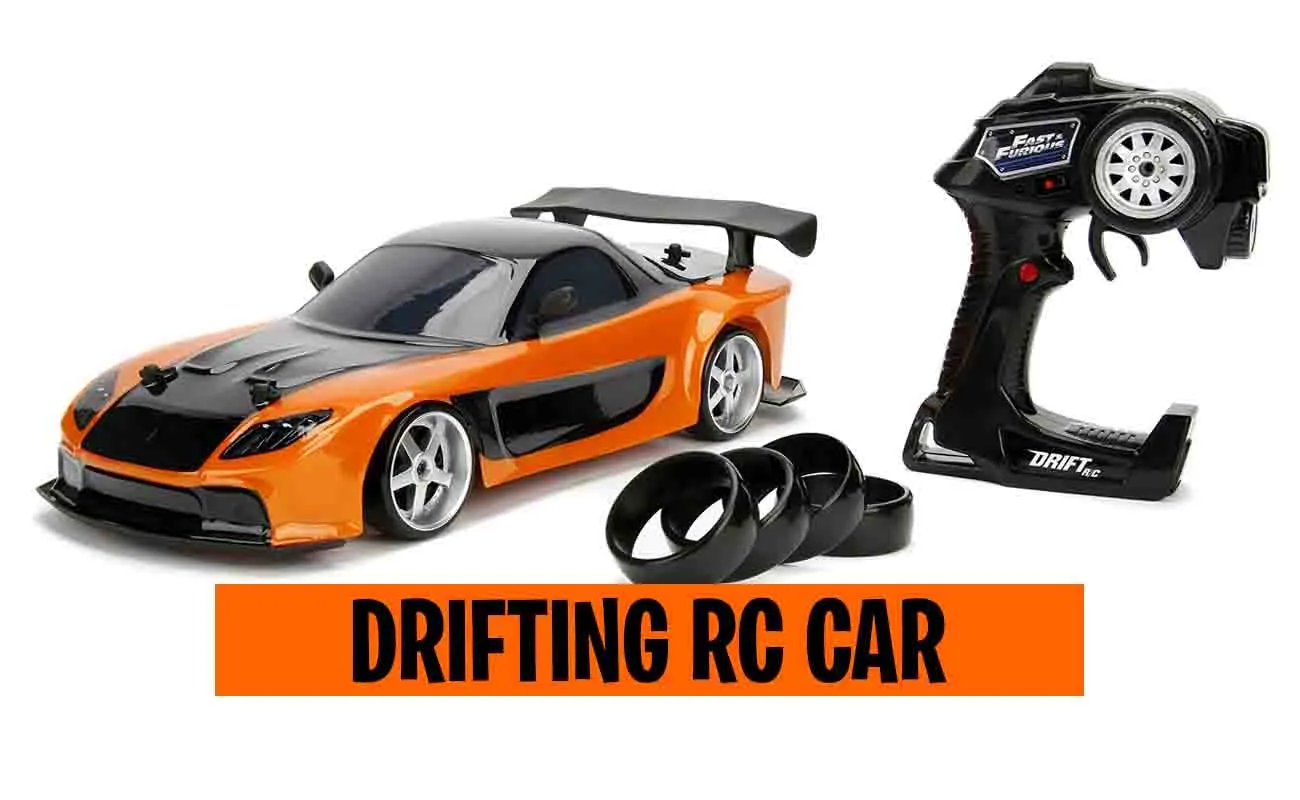
way is Drifting RC Car ( How to Drift an RC Car ). There’s something incredibly satisfying about controlling a car that slidesperfectly around corners, smoke trailing from the tires, all while staying in complete control. But if you’re just starting out, drifting can seem a little intimidating. Don’t worry — with the right approach, it’s a ton of fun, and anyone can learn the basics.
Drifting RC Car
First, let’s talk about the car itself. Not every RC car is built for drifting. Ideally, you want a
car with rear-wheel drive (RWD) because it’s much easier to initiate and control slides. Electric
drift cars are popular because they’re easy to maintain, and you can tune them with precision.
Some hobbyists also swap in drift-specific tires or use harder compounds on the rear wheels to
make sliding easier. Personally, I found that even a basic drift-ready car can teach you a lot about
control and technique.
Next is the surface. Smooth, flat surfaces are ideal when you’re starting out — think tile,
polished concrete, or a dedicated RC drift mat. Rough or uneven surfaces make drifting much
harder and can damage your car if you’re not careful. I like practicing in a garage or on a
driveway with a bit of space to make wide turns. You don’t need a track at first — just a safe,
open area where you can experiment.
Controlling the drift comes down to throttle and steering. Unlike racing, where you focus on
speed and lap times, drifting is all about balance and finesse. You’ll want to gently apply throttle
while turning, allowing the rear wheels to slide. Too much throttle, and the car spins out; too
little, and it won’t drift at all. Steering corrections are key — small, smooth movements keep the
car in a controlled slide instead of spinning wildly. When I first started, it took me a while to find
the right balance, but once you get it, it clicks instantly.
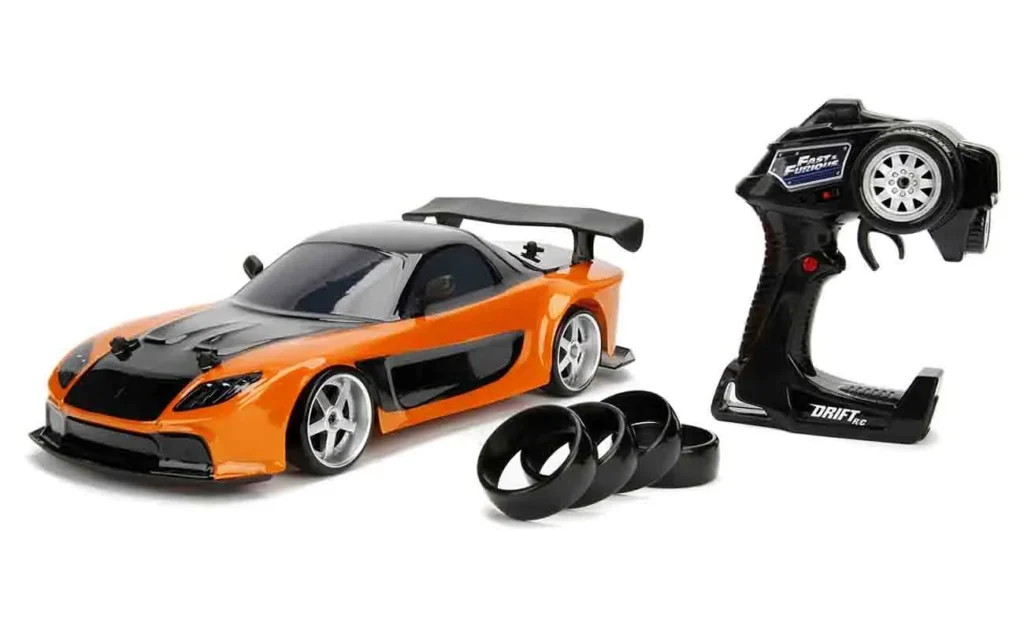
Another thing to keep in mind is tire setup and tuning. Drift tires are often softer in the front
and harder in the rear to make slides easier. Adjusting suspension and weight distribution can
also make a huge difference in how your car handles. I like experimenting with small tweaks
between practice sessions, because even tiny changes can make a big difference in slide control.
Finally, practice patience. Drifting RC Car is as much about technique as it is about repetition. At
first, your slides might look more like spins, and that’s completely normal. I remember my first
few sessions — I probably spent more time retrieving cars from walls than actually drifting! But
with time, muscle memory kicks in, and you start to feel the car’s limits and how it responds to
each input. Watching a car drift smoothly across a corner after hours of practice is one of the
most rewarding experiences in the RC hobby.
In my experience, RC drifting isn’t just about showing off or racing — it’s about mastering
control, understanding your car, and having fun experimenting. It’s a hobby where patience pays
off, and the learning curve is part of the thrill. Personally, I still enjoy a simple solo drifting
session just as much as a full race, because it’s relaxing, challenging, and endlessly satisfying
when you nail a perfect slide.
At the end of the day, if you’re a beginner, start with the basics: a good RWD car, a smooth
surface, and plenty of practice. Don’t worry about perfection at first — even messy slides teach
you something. With the right setup and patience, you’ll be drifting like a pro before you know
it, and that feeling of controlling a miniature car that moves just like a real drift machine is hard
to beat.