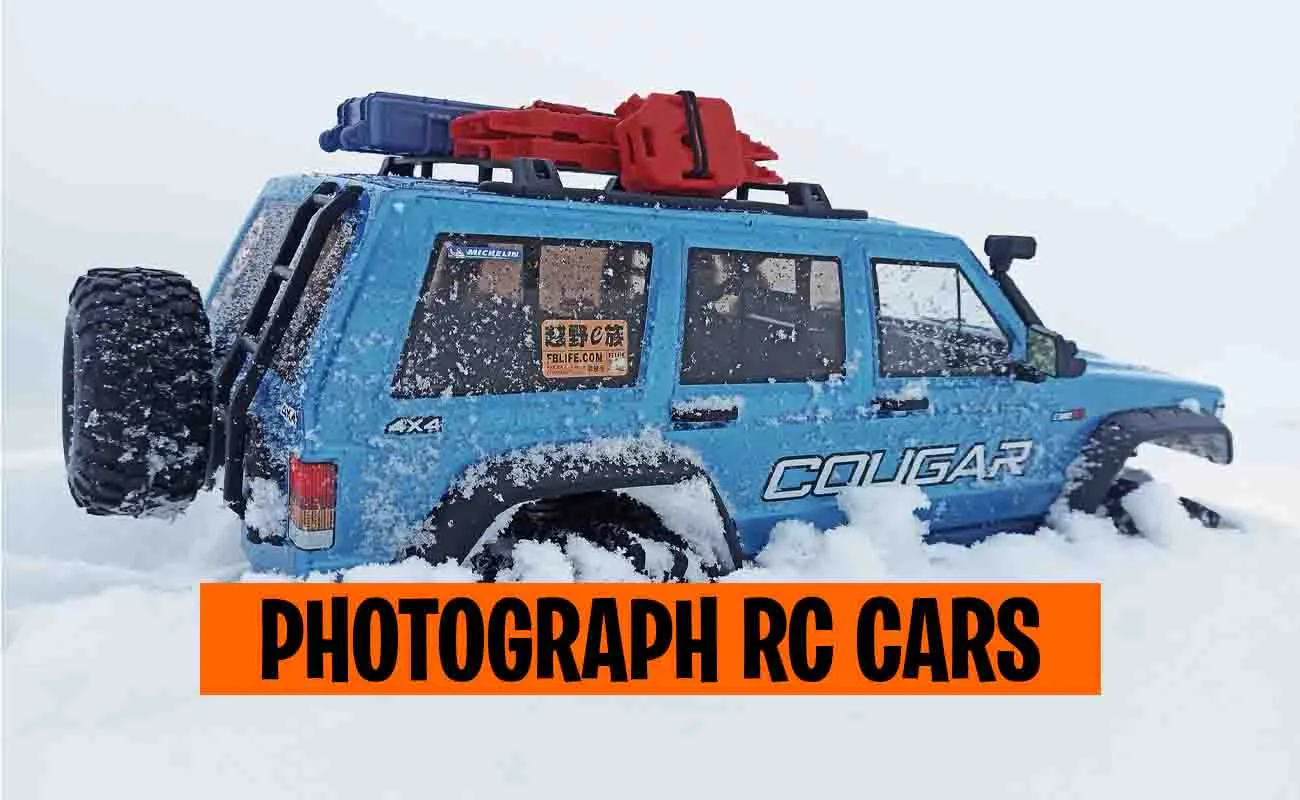
I’ve been into RC cars for years, and one thing I’ve realized is that capturing them on camera is
almost as fun as driving them. But photographing RC cars comes with its own set of challenges
— they’re fast, small, and often don’t cooperate with your framing. Over time, I’ve picked up a
few tricks that make my shots look way more professional, even with basic gear.
Photographing RC Cars
First off, lighting is everything. Natural light is your best friend, especially during the golden
hours — early morning or late afternoon. The soft, warm light gives your car a nice glow and
reduces harsh shadows. Midday sun can be brutal, creating blown-out highlights or strong
shadows that hide details. If you’re shooting indoors, try to have a well-lit room or use softboxes
to mimic natural light.
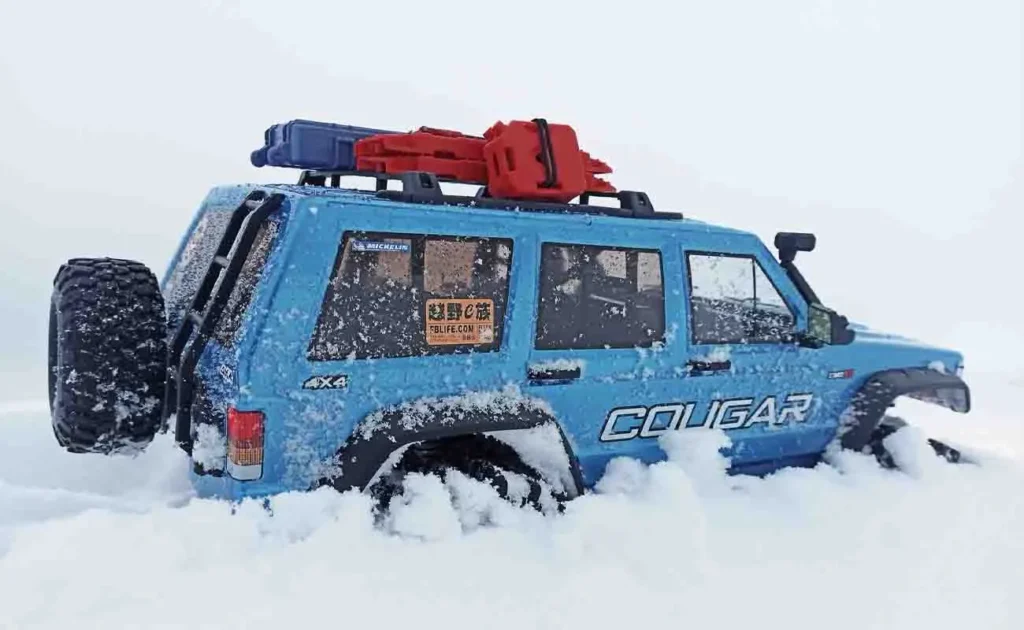
Next, get low to the ground. One of the biggest mistakes beginners make is shooting RC cars
from a standing position. You want to get eye-level with the car, or even lower if possible. It
makes the car look life-sized and more dynamic. Using a small tripod or even placing your
camera on the ground works wonders.
Another tip is play with motion. RC cars are meant to move fast, so why not capture that
motion? You can try panning — moving your camera along with the car while taking the shot —
which creates a blurred background but keeps the car sharp. Or, if you want a frozen action shot,
crank up your shutter speed to catch every jump, drift, or spin without blur.
Background matters more than you think. A busy or cluttered background can distract from
your car. I usually try to shoot against a simple backdrop — a road, dirt track, or even a plain
wall — to make the car stand out. Sometimes, moving the car a few feet in any direction can
completely change the look of your shot.
Finally, don’t forget the details. Close-up shots of the wheels, body, or engine parts can be really
striking. These shots highlight the craftsmanship of your RC car and give your photos variety.
Macro lenses or even your phone’s close-up mode can help here.
In my experience, RC car photography is a mix of patience, timing, and creativity. You won’t
nail every shot, but experimenting with angles, lighting, and motion can make a huge difference.
Electric or nitro, short or long races, capturing your car in action adds a whole new layer of
enjoyment to the hobby. Personally, I love going out just to take pictures — sometimes even
more than racing — because it gives me a chance to appreciate all the little details that make RC
cars so awesome.