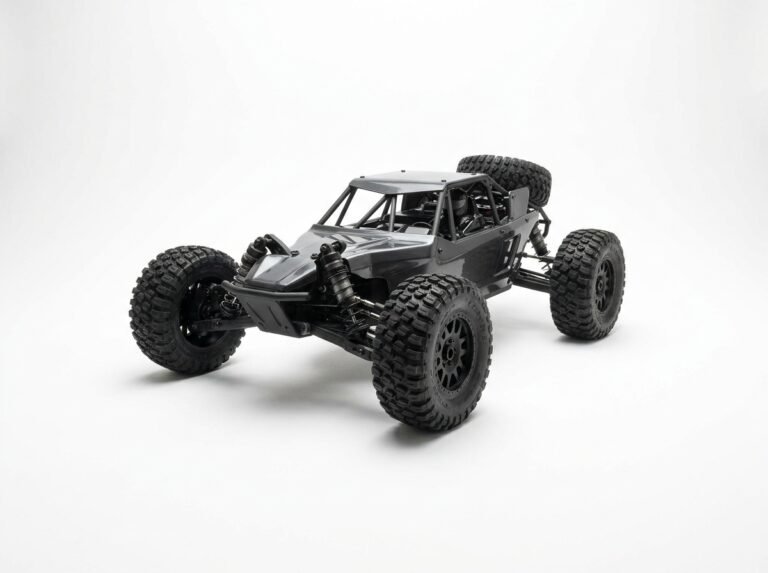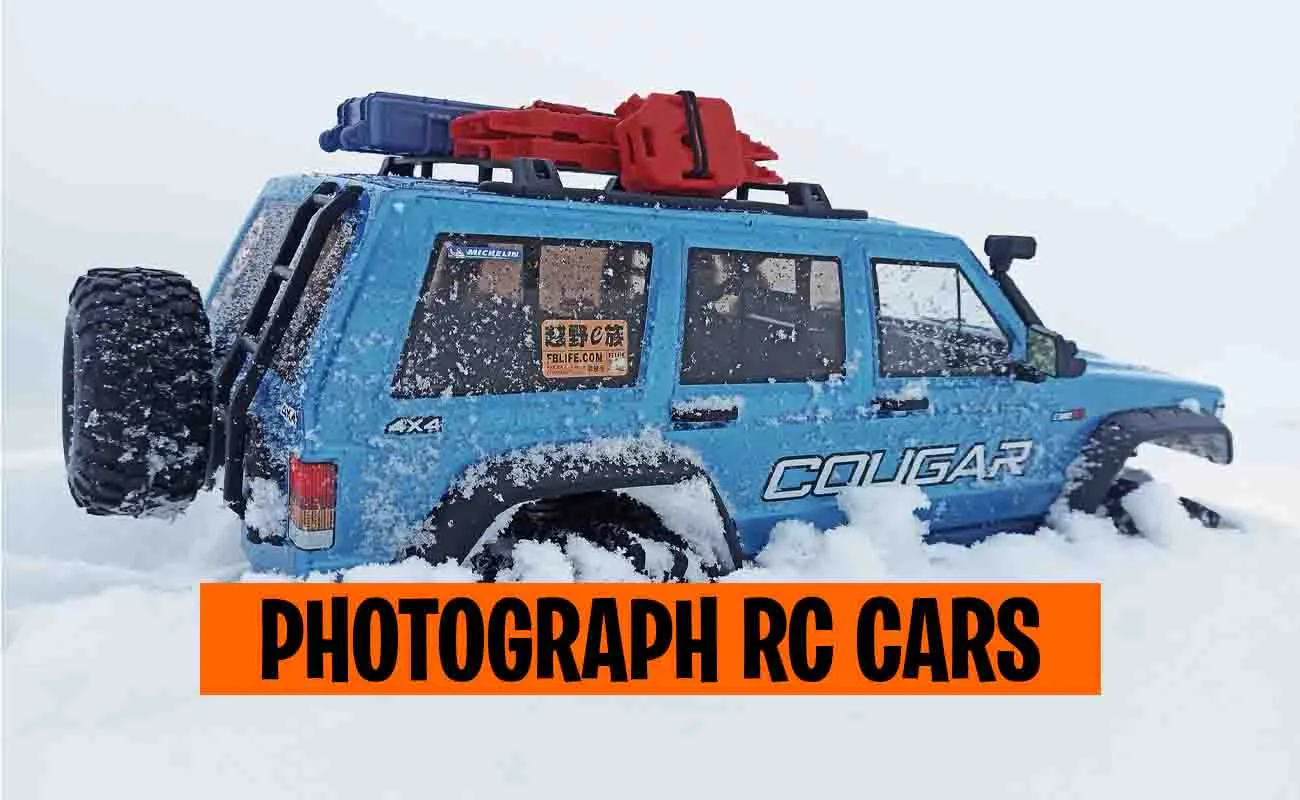
RC Car Photography: What I’ve Actually Learned After Years of Chasing Tiny Vehicles
RC car photography tips, camera angles, lighting, smartphone photography, motion shots, depth of field, and realistic RC car photo techniques. Learn how to make RC cars look full-size with professional RC photography methods.
I never set out to become an RC photographer. It kind of happened gradually. I got into RC cars about six years ago, started posting videos of my builds online,and people kept asking why my shots looked different from the typical YouTube RC content. The honest answer? I spent a lot of time failing before figuring anything out.
These days,I spend as much time thinking about how to photograph RC cars as I do actually driving them,and I’ve picked up some stuff worth sharing. This isn’t going to be some pristine guide with perfect angles and studio lighting. It’s just what actually works when you’re trying to make a tiny Traxxas look like it’s flying through a real canyon.
Stop Shooting From Standing Height
This is the biggest thing I see beginners do wrong. They’ll set up their camera at chest height and wonder why their RC car looks small and unimpressive. Of course it does. You’re shooting down at it.
The best camera angles for RC cars are low. Stupidly low sometimes. I’m talking butt-to-the-ground low. Your camera should be at the same level as the roll cage or cockpit of the car. When you do this, suddenly the car takes up real estate in your frame,the sky becomes the background instead of your garage wall,and the wheels actually make contact with the ground instead of floating in mid-air.
I learned this the hard way by accidentally dropping my camera when I bent down too quickly. It survived,but I noticed all my footage from ground level looked incredible compared to my normal stuff. Now I use a tripod with legs that can spread wide,or I just sit on the ground and hold my phone.
Experiment with angles slightly above the car too. Not chin-height because that’s still too high. Aim for something like hood-level if it were a full-size vehicle. You get a different perspective that works well for showing off suspension travel or making the terrain look more dramatic.
The Depth of Field Problem in RC Car Photography
Here’s something RC photographers don’t talk about enough: depth of field. When you’re shooting a real car from a real distance,you naturally have shallow depth of field. The background blurs while the car stays sharp,and that’s what makes cars look real in photos.
RC cars are small,so you’re always close to them. Your phone camera or even a mirrorless camera at normal settings will want to keep everything in focus,the car,the dirt three feet behind it,and the fence in the distance. Everything’s sharp. Everything’s tiny.
If you’re using a dedicated camera,crank up your f-stop number to open that aperture. f/2.8 or wider if you can. Reduce your distance to the car and let the background go soft. Suddenly you’re fooling people’s brains into thinking they’re looking at something bigger.
Phone cameras are trickier. Most phones have portrait mode or a depth effect now,and it’s actually pretty good. Point it at your RC car,use portrait mode,and mess with the depth slider. Just don’t overdo it because I’ve seen shots where the depth effect is so aggressive that it cuts off parts of the car itself,and that’s a dead giveaway.
Outdoor Light Is Free and Underrated
I used to think I needed studio lighting to make RC cars look good. So I bought lights,spent a weekend setting them up,and got worse photos than I was taking outside.
The thing about outdoor shooting is that light is consistent but never harsh if you pick your time. Early morning and late afternoon are the obvious answers because the sun is lower,the shadows are more dramatic,and everything gets that golden light that makes trash look like treasure.
I’ve genuinely taken better photos of beat-up RC cars in that light than people have of pristine ones at noon.
Midday sun is actually usable too if you’re smart about it. That harsh light can make your car cast dark shadows that reveal detail in the body panels. It’s hard to work with,but it’s not impossible.
Avoid shooting directly into the sun unless you know what you’re doing. Shooting with the sun slightly off to the side and behind the car tends to work better.
Cloud cover is underrated for RC photography. I used to skip shooting on overcast days thinking the light would be flat and boring. Wrong. Overcast days are like shooting inside a giant softbox because the light is even,shadows are subtle,and you can get really clear shots without weird blown-out highlights or crushed shadows.
It’s the least dramatic,but sometimes that’s exactly what you need.
Here’s a practical RC cars tips for photographers thing: bring a reflector. Seriously. It’s just a white foam board or even a white sheet. Prop it up opposite the sun and you’re filling in the shadows on the underside of the car.
Game changer for making little details visible. You can get reflectors cheap,or you can do what I do and keep a white posterboard in my car because it takes up no space.