I’ve been running RC cars for a while, and one thing I’ve learned the hard way is that water can
be a real enemy. Even a little puddle or light rain can ruin an unprotected car, fry the electronics,
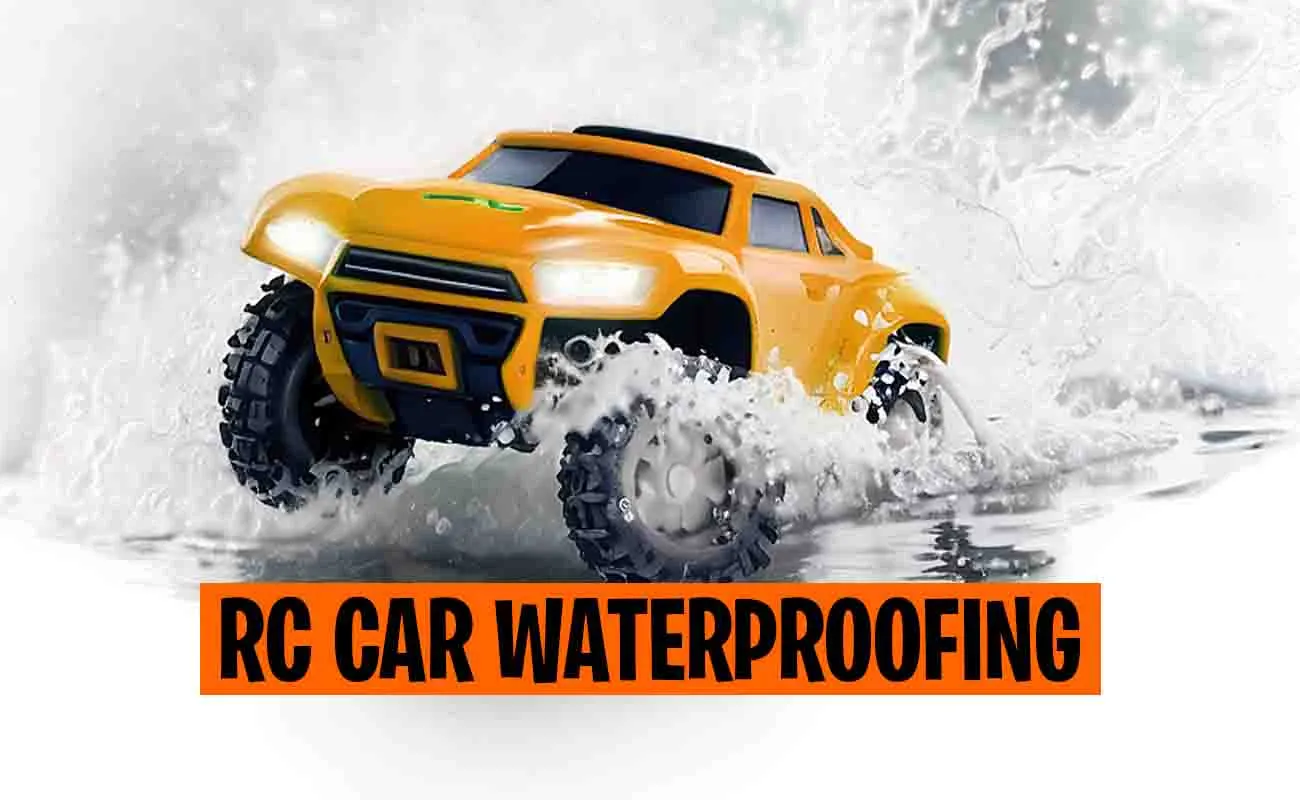
and leave you with a frustrating repair session. That’s why learning RC Car Waterproofing isn’t just a “nice-to-have” — it’s essential if you want to run it in wet conditions or on muddy
tracks. Over the years, I’ve developed some practical methods to keep my cars safe, and I’m
going to share them here.
RC Car Waterproofing
First, you need to understand which parts are most vulnerable. Typically, the electronics —
like the receiver, ESC (electronic speed controller), motor, and battery — are the areas that water
hates the most. Exposed wires, connectors, and plugs are also weak spots. Knowing this helps
you focus your waterproofing efforts where they really count.
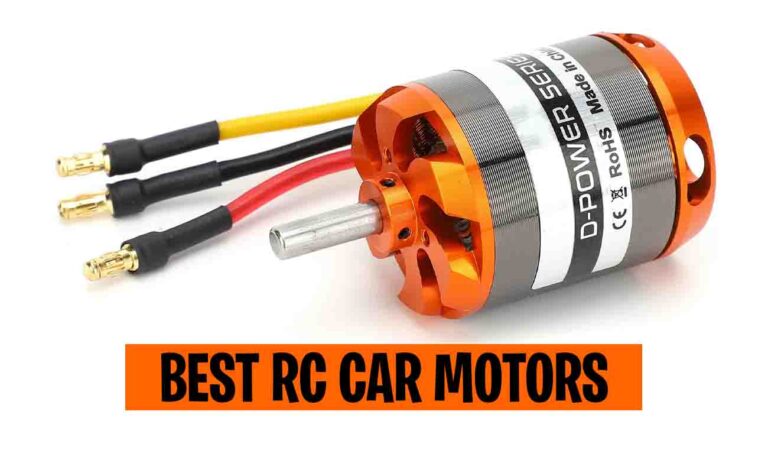
waterproof motors
One of the simplest methods is using waterproof electronics or sealed components. Many
modern RC cars come with waterproof motors, ESCs, and servos, which makes life much easier.
If you’re running an older or cheaper model, though, you’ll need to add some protection
yourself. A common approach is to apply silicone grease or dielectric grease to connectors and
exposed wires. This creates a barrier that repels water and prevents corrosion. I usually apply it
lightly but thoroughly, making sure every connector has coverage without gumming up the
electronics.
Next, seal the sensitive parts. For electronics that aren’t inherently waterproof, small plastic
boxes or cases can help. Some hobbyists even use vacuum-sealed bags or shrink wrap to encase
their ESC or receiver. Make sure it’s snug but not too tight — you don’t want heat buildup to fry
your components. A little ventilation is fine, as long as water can’t get in.
Battery protection
Battery protection is another key step. LiPo or NiMH batteries don’t like water at all. I usually
wrap mine in a small waterproof bag or use a dedicated battery case. It’s simple, cheap, and
keeps my battery dry even if the car goes through a puddle. Just be careful to secure it properly
so it doesn’t shift during driving.
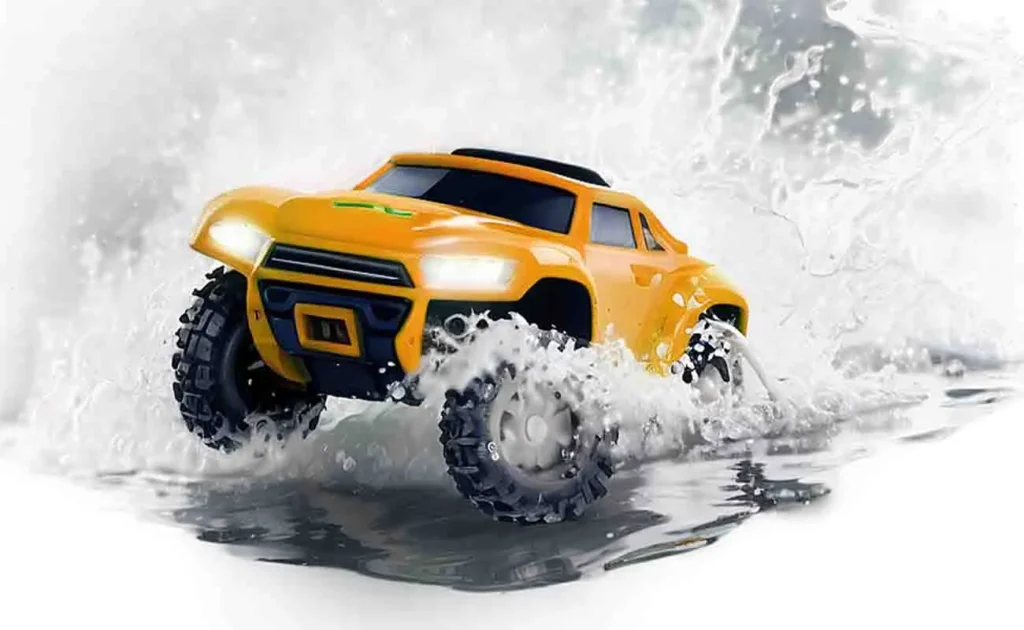
Another tip that often gets overlooked is protecting your motor and drivetrain. While
waterproof electronics are great, water can still splash into gears, bearings, and axles, causing
rust and wear. I often spray a light coating of silicone or Teflon-based lubricant on moving parts
after a wet run. It keeps them spinning smoothly and prevents corrosion.
Finally, practice smart driving in wet conditions. Waterproofing helps, but it’s not a free pass
to drive recklessly through deep water. Avoid full submersion, and try to keep runs short in
heavy rain. After each wet session, I always clean my car, dry it thoroughly, and check for any
moisture that might have snuck in. Even the best waterproofing can fail if water sits on the
electronics for too long.
my experience
From my experience, taking the time to waterproof your RC car transforms how and where you
can drive it. Suddenly, puddles aren’t scary, and light rain doesn’t mean skipping a session. The
process isn’t complicated — it’s mostly about being careful, using the right materials, and
checking your car after each wet run. Personally, I enjoy those rainy-day sessions even more
than dry ones, because my car can handle a little chaos without me worrying about costly repairs.
At the end of the day, waterproofing isn’t just about survival — it’s about expanding your RC
world. With the right steps, your car can tackle muddy tracks, shallow streams, and rainy streets
without missing a beat. And honestly, seeing your RC car race confidently through wet
conditions is one of the most satisfying feelings in this hobby.